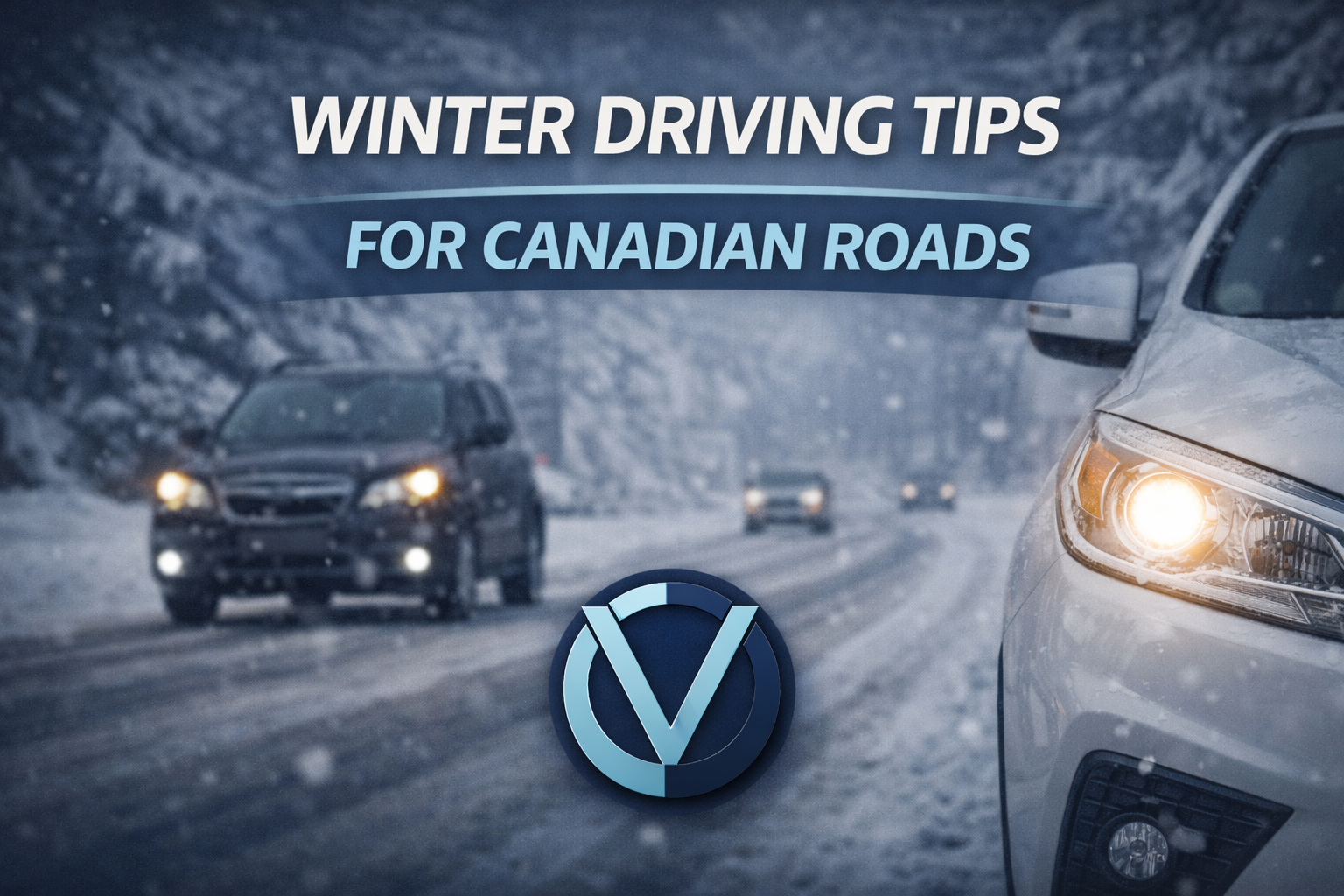
Winter Driving Tips for Canadian Roads
Canadian winters can create challenging and unpredictable driving conditions. Snow, ice, reduced visibility, and extreme cold make preparation and safe driving habits essential for protecting yourself and others on the road.
Use Proper Winter Tires
Winter tires are one of the most important safety investments you can make. They provide better traction, braking, and control in cold temperatures, snow, and icy conditions.
In many parts of Canada, winter tires are strongly recommended or required during the colder months.
Slow Down and Increase Following Distance
Winter roads significantly reduce traction, making stopping distances much longer. Slowing down and leaving extra space between your vehicle and others gives you more time to react.
Gentle acceleration and braking help prevent skidding and loss of control.
Clear Snow and Ice Completely
Before driving, remove all snow and ice from your windshield, windows, mirrors, lights, roof, and hood. Snow left on your vehicle can reduce visibility and become a hazard for other drivers.
Taking a few extra minutes to clear your vehicle improves safety and helps prevent fines.
Be Prepared for Emergencies
Winter weather can change quickly, especially during long trips. Keeping an emergency kit in your vehicle can be invaluable if you become stranded or delayed.
Common items include a flashlight, blanket, phone charger, gloves, traction aids, and a small shovel.
Drive According to Conditions
Road conditions can vary greatly, even within short distances. Black ice, drifting snow, and slush can appear without warning.
Stay alert, avoid sudden movements, and adjust your driving based on visibility and road surface conditions.
Watch for Reduced Visibility
Snowfall, blowing snow, and shorter daylight hours can make it harder to see and be seen. Using headlights, keeping windows clean, and replacing worn windshield wipers all help improve visibility.
Pull over safely if conditions become too severe.
Allow Extra Time for Travel
Rushing in winter conditions increases the risk of accidents. Leaving earlier and planning extra time for your trip helps reduce stress and encourages safer driving decisions.
Final Thoughts
Winter driving in Canada requires patience, preparation, and caution. By equipping your vehicle properly and adjusting your driving habits, you can stay safer and more confident on snowy and icy roads.