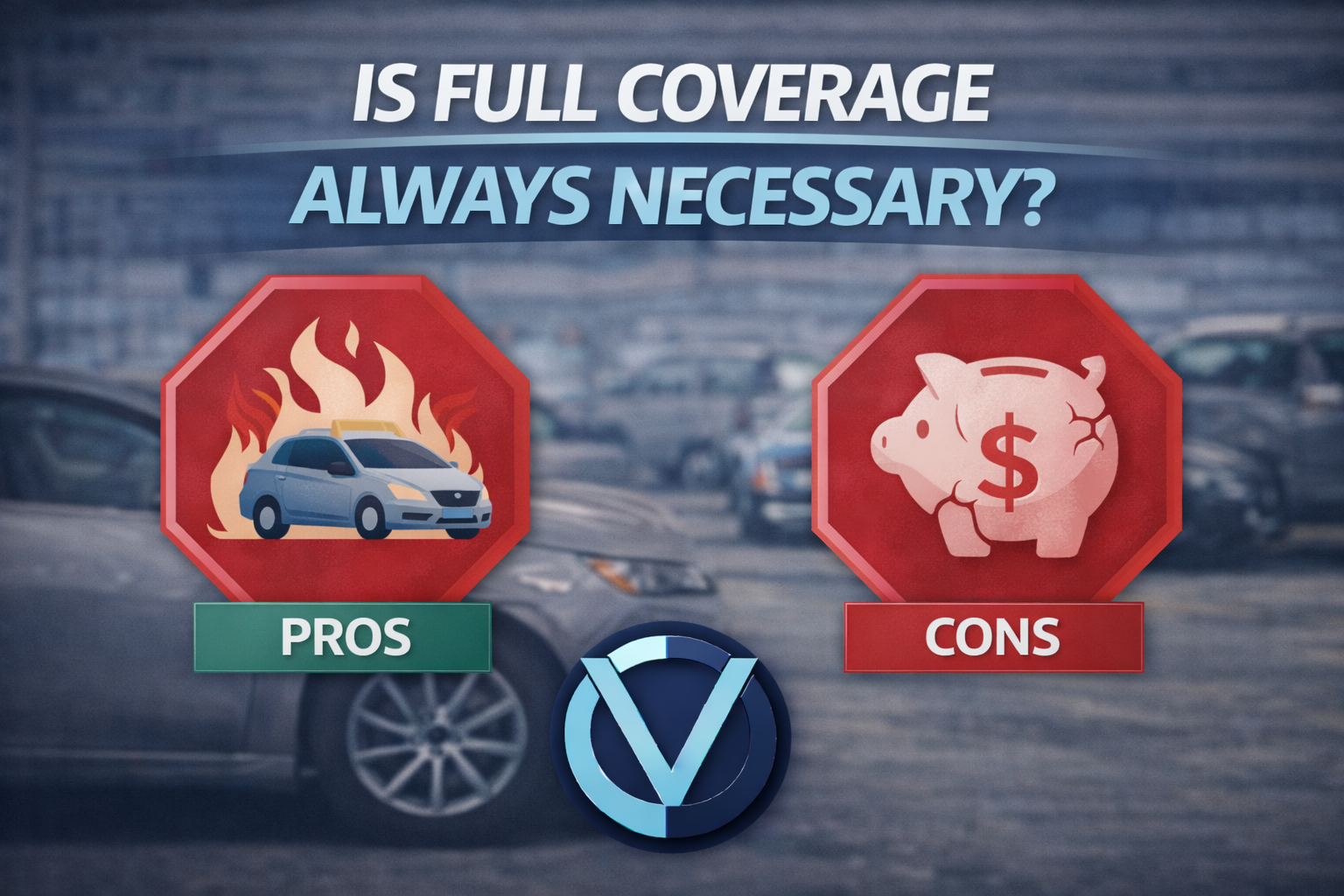
Is Full Coverage Always Necessary?
Full coverage insurance offers broad protection, but it may not be the best choice for every driver or every vehicle. Knowing when full coverage makes sense can help you avoid overpaying.
What Does Full Coverage Include?
Full coverage typically combines liability, collision, and comprehensive insurance. It protects against accidents, theft, vandalism, and many non-collision incidents.
When Full Coverage Makes Sense
Full coverage is often recommended for newer or higher-value vehicles, or when a vehicle is still being financed. In these cases, the added protection helps reduce financial risk.
When Less Coverage May Be Enough
For older or lower-value vehicles, full coverage may cost more than the vehicle is worth over time. Some drivers choose to maintain required coverage while adjusting optional protections.
This approach can reduce premiums while still meeting legal requirements.
Making the Right Choice
The best coverage level depends on your vehicle’s value, your financial situation, and your risk tolerance.
Final Thoughts
Full coverage isn’t always necessary, but it can be valuable in the right situations. Understanding your options helps you choose protection that makes sense—not just what’s standard.